

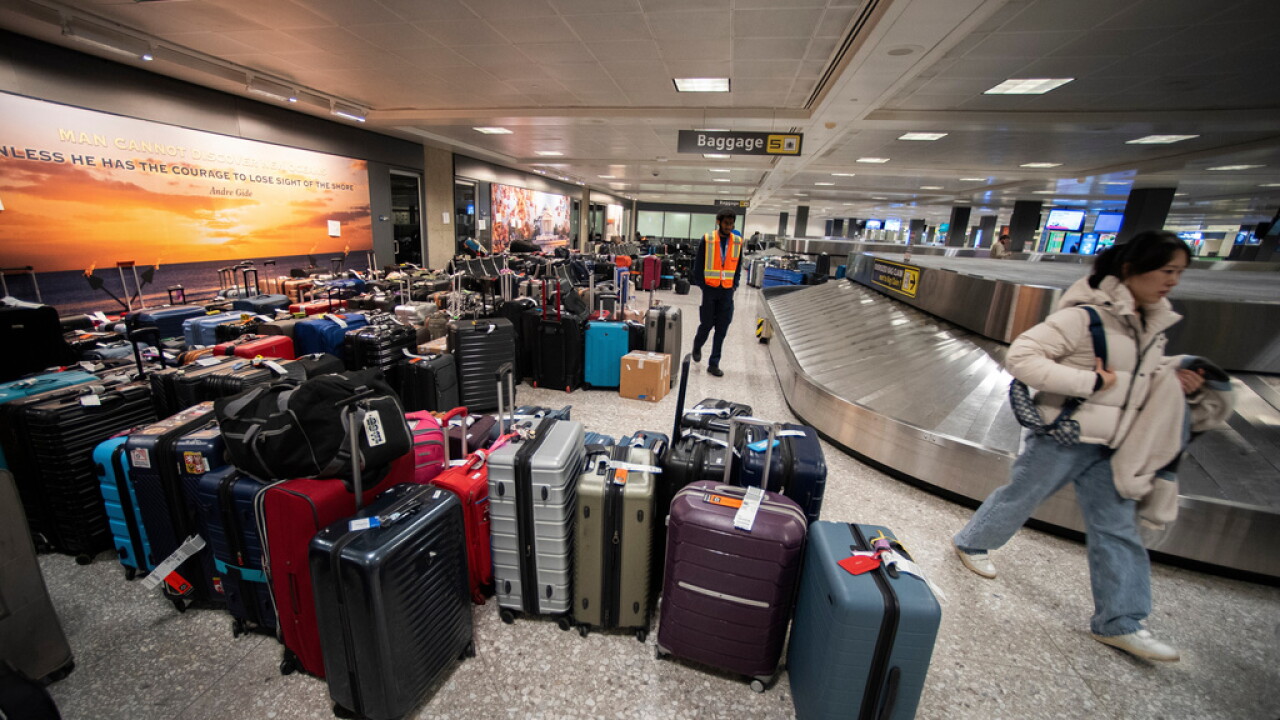

Bad weather, mechanical problems, and other unexpected disruptions can quickly derail a vacation, as many travelers learned during the recent FAA ground stop.
And during the busy holiday travel season, those headaches can become expensive.
Travel insurance can provide an added layer of protection, but experts say travelers often make mistakes when choosing or purchasing a policy.
The first and most common mistake is waiting too long to buy it.
Lauren Gumport, vice president of communications for travel insurance company Faye, recommends buying a policy within 14 days of making your initial trip deposit.
Buying early increases travelers' eligibility for time-sensitive benefits, including "cancel for any reason" coverage that is not normally covered under a standard policy.
"You can cancel your trip literally for any reason, dog ate your homework, and get 75% back on your non-refundable trip expenses," Gumport said.
RELATED STORY | Holiday travel survival guide: 5 tips for a smoother Thanksgiving trip
WATCH as travel experts show when you should buy travel insurance
Another common mistake: waiting for the trouble to start before buying protection.
If you're already checked in at the airport and your flight is delayed, for example, it's generally too late to purchase coverage for that known disruption.
Some coverage may still be available if you purchase a policy shortly before your trip begins, Gumport said, including benefits related to emergency medical expenses and future delays or inconveniences.
"Many travelers don't realize you can purchase your travel insurance policy literally when you're on your way to the airport," she said.
Travel insurance isn't just about canceled flights
Jerry Katz, owner of First Discount Travel, said travelers should also think about the financial risk of a medical emergency, particularly when traveling internationally.
"Many people's health insurance does not cover you medically when you are traveling international," Katz said. "So that means you're going to be fronting any kind of major medical emergency on your credit card."
Depending on the policy and circumstances, travel insurance can help cover expenses associated with:
- Trip cancellations or interruptions
- Medical emergencies
- Travel delays
- Lost or stolen passports
- Meals
- Hotel stays
Travel insurance averages about 7% of the overall cost of a trip, according to NerdWallet. That means coverage for a $3,000 vacation could cost roughly $210, although the final price and benefits will depend on the traveler and policy.
Katz said that added expenses can be small compared with the potential cost of an overseas medical emergency or emergency evacuation.
"Not everyone can afford the six-figure medivac flight off the cruise ship," he said. "Some of those insurance prices are so minimal, it's really negligence not to buy it."
What to look for when buying travel insurance
Price shouldn't be the only consideration.
Gumport recommends checking how easily you can reach an insurer if something goes wrong. A company offering 24/7 assistance through multiple channels, such as phone, email or in-app chat, can be particularly useful when a problem happens while you're away from home.
RELATED STORY | Airline glitches, storms could make for a messy Thanksgiving travel week
Travelers should also read the policy carefully to understand what is covered, what isn't, and when coverage takes effect.
The bottom line: If you're spending thousands of dollars on a vacation, consider travel insurance early in the planning process rather than waiting for a storm or other delay, so you don’t waste your money.
_________________________________
"Don't Waste Your Money" is a registered trademark of Scripps Media, Inc. ("Scripps").
Follow John:
- Facebook: John Matarese Money
- Instagram: @johnmataresemoney
- X/Twitter: @JohnMatarese
For more consumer news and money saving advice, go to www.dontwasteyourmoney.com
