


Medicare open enrollment is still more than a month away, but scammers are already targeting seniors with a flood of phone calls, texts and emails.
Some try to steal Medicare numbers using deceiving warnings about incomplete benefit information, while others promise free benefits or new Medicare cards.
Scams or not, the sheer number of calls can be overwhelming.
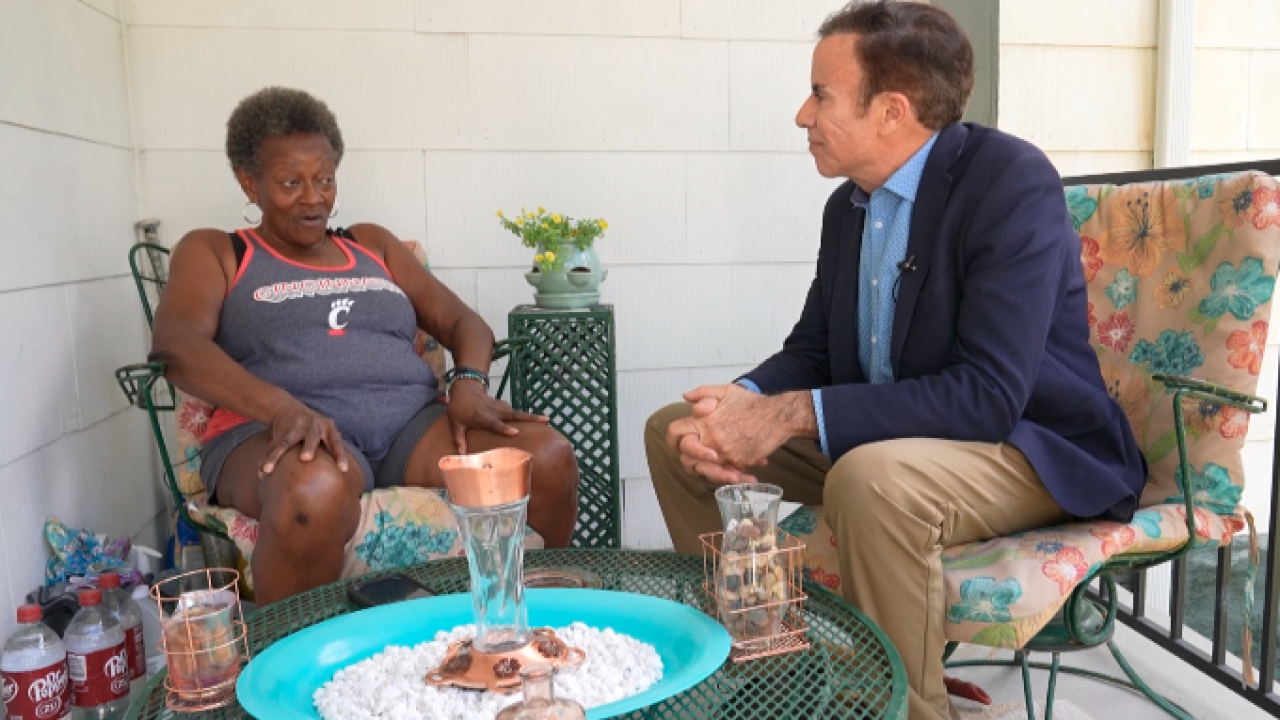
Watch as a woman shows what it's like getting Medicare calls every day:
One woman receives more than a dozen calls in a day
Delores Reed, a recently retired Medicare beneficiary, said she gets Medicare-related calls several times a day — even though she is on the 'Do Not Call' registry.
The callers, she said, never identify who they represent.
"I personally think they are a scam. If you are with an insurance company, the first thing you are going to say is 'I'm calling from such and such insurance company,'" she said.
Reed worries other seniors will feel pressured into giving away personal information.
"I definitely think they are picking out seniors to target," Reed said.
The common signs of a Medicare scam
Amy Nofziger, senior director of victim support for the AARP Fraud Watch Network, shared several red flags consumers should know:
Medicare will not call, text, or email asking you to confirm your Medicare number.
"Medicare knows your Medicare number," Nofziger said. "They're not going to be calling you, texting you, or emailing you, saying that they need to confirm your Medicare number."
Offers for a new or upgraded Medicare card are also a warning sign.
"They're never going to be telling you that you can get an upgraded card or a plastic card or a gold card is one thing that we've heard recently," Nofziger said.
Promises of free gifts, genetic testing or medical equipment should also raise red flags.
"All of that will go through your physician. If you need any of that, your physician will order that for you," she said.
The threat extends beyond phone calls. More than 40 health systems recently warned patients about a "MyChart Medicare Kit" scam circulating through texts and emails, as reported by Becker's Healthcare.
If you receive a suspicious email or text, delete it. If someone asks for your Medicare card number over the phone, hang up.
To report a suspicious call, contact Medicare directly at 1-800-MEDICARE (1-800-633-4227). For additional support, call the free AARP Fraud Watch Network Helpline at 877-908-3360.
Reed has one last message for the people on the other end of the phone.
"I would like you to not call me again please," she said, so you don't waste your money.
____________________________________
"Don't Waste Your Money" is a registered trademark of Scripps Media, Inc. ("Scripps").
_______________________________________
Follow John:
- Facebook: John Matarese Money
- Instagram: @johnmataresemoney
- X/Twitter: @JohnMatarese
For more consumer news and money saving advice, go to www.dontwasteyourmoney.com
