

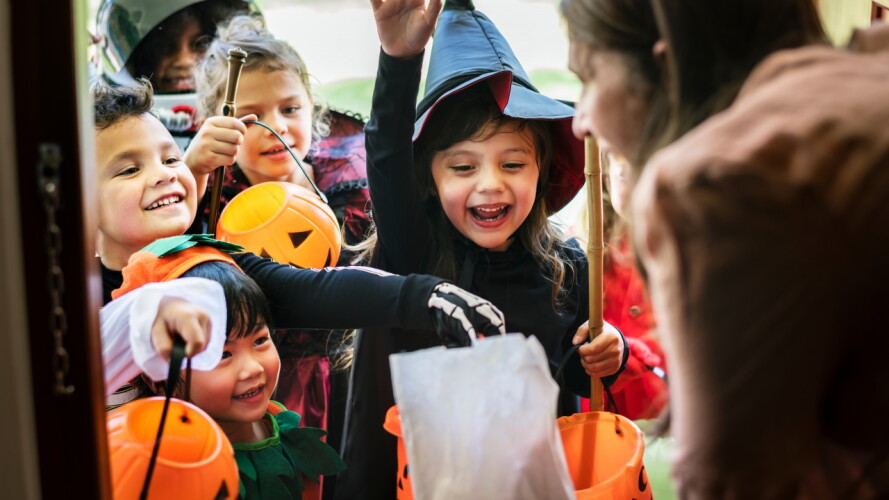


Trick-or-treating may feel like a modern Halloween tradition, but its roots go back centuries.
Historians say it grew out of European harvest festivals, when people believed the line between the living and spirit worlds became blurred.
According to History.com, the Celtic festival of Samhain was celebrated on the night of October 31. The Celts, who lived in Central and Western Europe thousands of years ago, believed the dead would return to Earth.
RELATED STORY | Halloween candy costs surge as Americans increasingly take on debt to cover purchases
Later came traditions like “souling” and “guising,” with people going door to door for food, money or treats. According to historians, by the 1920s, pranks had become a popular Halloween activity among young people.
The Great Depression reportedly exacerbated the problem, and some theories suggest the increase in pranks helped lead to the widespread adoption of community-based trick-or-treating.
This was briefly curtailed during World War II when sugar rationing took place and parents had to reduce the amount of treats they were handing out on Halloween night.
Now, Americans spend billions on the holiday, from candy and costumes to decorations and events. This year, an economic analysis by progressive economic policy think tanks Groundwork Collaborative and The Century Foundation (TCF) found that candy prices were up an average of 15% from last year, about four times the overall rate of inflation.
