



HAMPTON ROADS, Va. — Years after their loved ones were murdered, some Virginia families are being forced to relive their trauma annually as the convicted killers become eligible for parole hearings, a process they call agonizing and unjust.
These families are speaking out against state laws, including geriatric conditional release, that they say fail to protect them from the emotional toll of repeatedly fighting to keep violent offenders behind bars.
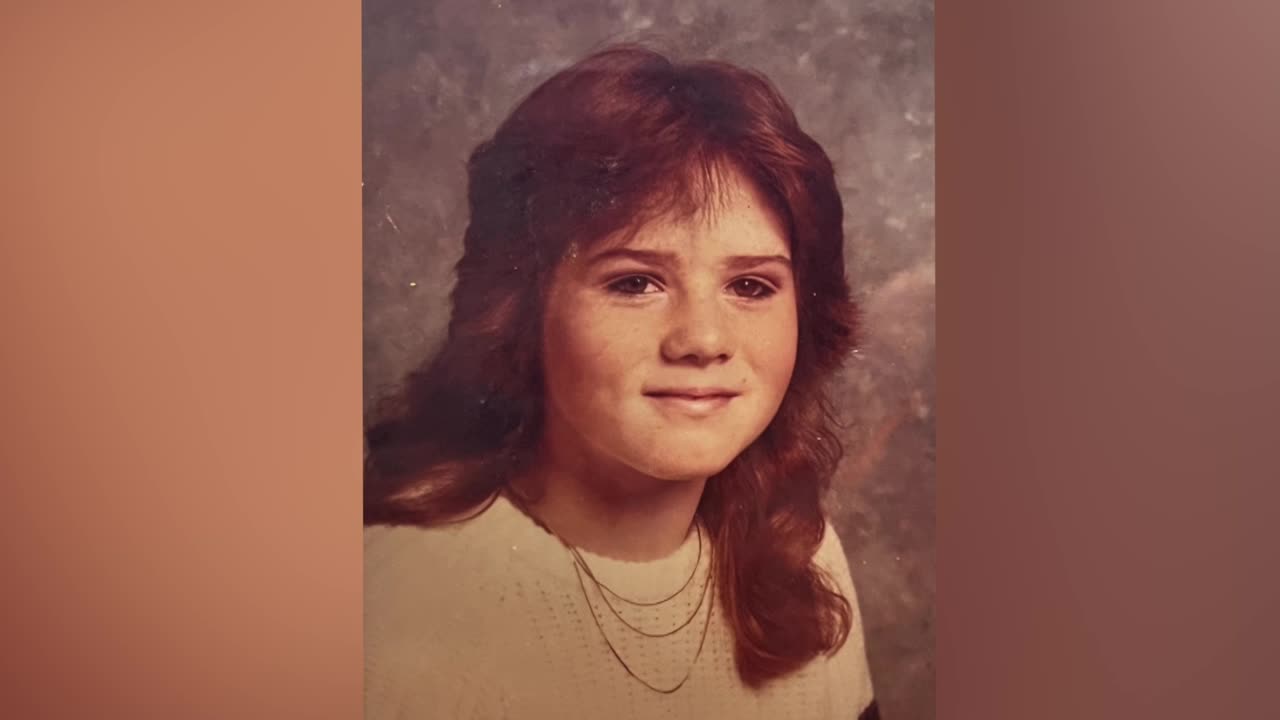
In 1984, Vonda Buchanan’s 14-year-old sister, Sonya Peters, was abducted, raped, and murdered in Norfolk by Geoffrey Ward, who was later sentenced to eight life terms, no chance of parole and 240 additional years.
The teen was not even a block from her home when Ward kidnapped and tortured her. He also raped two women — one of whom he murdered — and attacked a man with a hammer in his sleep.
Watch related: Convicted Virginia Beach murderer denied geriatric compassion release
The crimes happened over the course of several months. Eighteen months after Peters was killed, Ward turned himself in to the Norfolk Police Department and confessed to the crimes.
"It makes me so angry that I have to even think about him every year. I don't understand how this can happen," said Buchanan.
WTKR reached out to the Virginia Parole Board to inquire why he has been granted parole hearings annually. They said, “In 2019, under a previous Parole Board, Inmate Ward’s case was reviewed. Despite the judge in the case ordering that he was to be sentenced without parole, with the statutory authority granted in § 53.1-151(B1) [law.lis.virginia.gov], the former Board Chair determined that Inmate Ward was eligible for parole. He has had annual parole hearings thereafter.”
Buchanan’s family said they were horrified to learn this.
Watch related: Age allows violent 72-year-old murderer parole eligibility under Virginia law
Carla Smith Krebs shares that rage. Her son, Michael Smith, was shot and killed by her uncle, Dennis Smith, on Mother’s Day in 2013 in Portsmouth. Now 72, Smith is eligible for geriatric parole.
"When you got that message from the parole board... what went through your mind?" WTKR asked Krebs, to which she responded, "It was like, how can they even consider this?"
Krebs said her family is not in support of Smith getting any kind of parole. She said he showed no sign of remorse when she went to visit him on two separate occasions, only saying he could not remember what happened the night of the shooting.
Under Virginia law, an inmate can be considered for "geriatric conditional release" annually if they are at least 65 years old and have served five years or are 60 and have served 10 years. The current law excludes people convicted of Class 1 felonies, but many of the cases involve Class 2 felonies.
True Crime 757: James King got out of jail for murder. Then he killed again.
The issue gained prominence recently when convicted murderer James King was eligible for a parole hearing just a few months after his sentencing. He's serving two life sentences for murdering Lexie Walters in 2020 in Virginia Beach.
King had also murdered another woman in Ohio in the 1980s and served 20 years in prison before moving to Virginia Beach. He first spent a year in jail for sexually assaulting another woman and then got out and murdered Walters.
Walters' sister is now advocating for "Lexie's Law" to tighten parole eligibility for violent offenders.
However, not everyone agrees with tougher reform.
"I believe that people should have the opportunity to plead their case, regardless of what they may have done," said Shawn Weneta, a legislative liaison for the Humanization Project, an advocacy group for inmates. "The parole board certainly has the discretion to say, 'that's not good enough, and we don’t believe you should go home.'"
Weneta, who was pardoned after serving 16 years of a 30-year sentence for embezzlement, argues that people can change and that the system should be properly funded and trusted to work. He believes some people deserve to stay locked up, but said, “We should trust our judges, we should trust our parole board, we should make sure that the system is working.”
He believes more resources need to be put towards the Virginia Parole Board.
"There are quite literally thousands of people in our prisons right now that could return home today and not be a threat to our community and save us millions of dollars every year," Weneta said.
He advocates for more dialogue between victims' families and reform advocates to find solutions.
Watch related: Families of murder victims want stricter laws surrounding parole hearings
For the families of the murdered, they say the annual process of writing letters and preparing for hearings is a recurring nightmare and puts the rights of the criminals ahead of the rights of the victims.
"We should not have to think about him at all," Buchanan said. "He already ruined our lives and took something precious from us. Why should I have to think about him every year?"
The debate over parole reform is expected to be a topic of discussion when the Virginia General Assembly convenes for its next session.
