



HAMPTON ROADS, Va. — As Hampton Roads prepares to mark the 25th anniversary of September 11th, a look back at those frantic days reveals how local waters and skies instantly became the nation's frontline. On that Tuesday morning in 2001, America's darkest hour instantly transformed the region as local ships, jets, bases, and faces answered the call to war.
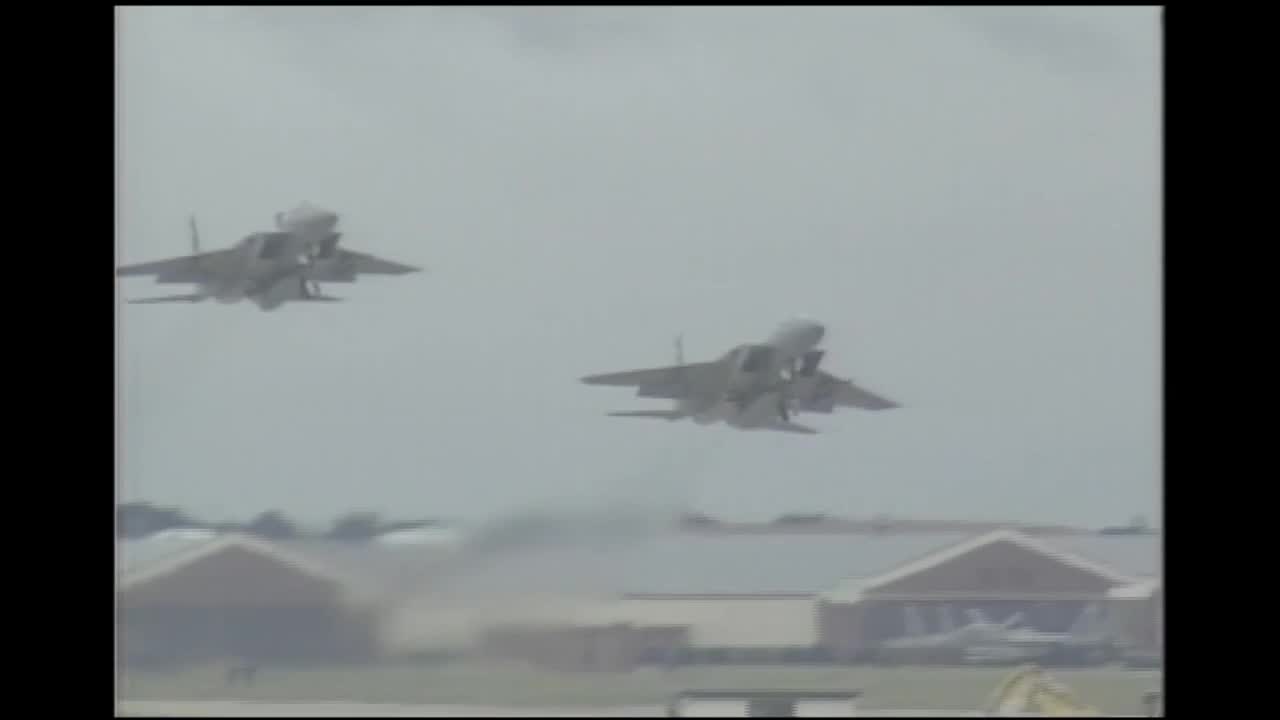
Gates slammed shut across 15 major area installations—including Fort Eustis, Fort Story, Langley Air Force Base, Joint Expeditionary Base Little Creek, and Naval Station Norfolk—as the nation went to war. The air defense of the nation's capital started right on the Peninsula at Langley Air Force Base. By that morning, F-16 fighter jets scrambled into the air, rushing north to establish combat air patrols directly over Washington, D.C.
On the water, a massive maritime shield rose from Norfolk. The aircraft carrier USS George Washington surged out past the Chesapeake Bay, providing immediate emergency air defense for a devastated New York City. Off the local coast, the aircraft carrier USS John F. Kennedy patrolled area waters, while amphibious ships like the USS Bataan prepped for emergency Marine deployments.
Further up the James River at Fort Eustis, the Army's transportation and logistics hubs immediately shifted gears. The base mobilized critical supply chains and port operations to support a massive domestic troop surge.
By late September 2001, the local mission turned global. The USS Theodore Roosevelt prepared to depart Norfolk, carrying a massive contingent of 15,000 local sailors and marines into the opening theater of the War on Terror.
