



NORFOLK, Va. —
Gov. Abigail Spanberger announced Thursday that she will formally intervene in the proposed $67 billion merger between Dominion Energy and Florida-based NextEra Energy, saying Virginians deserve a voice as state regulators weigh one of the largest utility mergers in the country's history.
Her office says she is the first Virginia governor to formally intervene in a case before the Virginia State Corporation Commission.
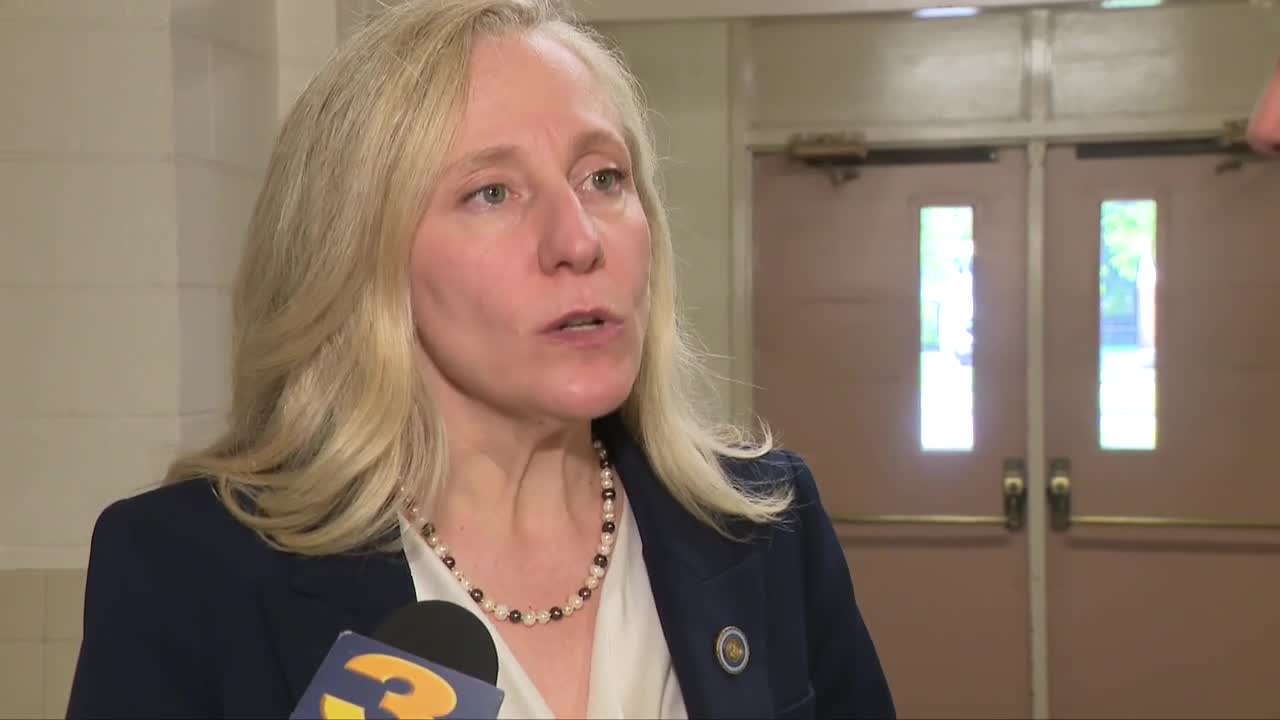
Speaking with News 3 on Thursday, Spanberger said her administration has significant questions about how the proposed merger could affect Virginians.
"We're looking at the potential merger that exists, the decision that is before the SCC, and frankly having so many questions about what would this mean for Virginia, what would it mean for Virginia jobs, for our communities, for overall energy affordability," Spanberger said. In a Washington Post op-ed announcing her decision, Spanberger said she is "deeply skeptical" about whether selling Virginia's largest state-regulated utility to an out-of-state company would benefit the commonwealth.
"That is why I will be taking the legal step of 'intervening' in this proposed merger," she wrote. "I know this action is unprecedented by a Virginia governor — but so, too, is the size of this proposed merger and its potential impact on the commonwealth."
The State Corporation Commission is reviewing the proposed acquisition, which would create what the companies describe as the world's largest regulated electric utility. Regulators can approve the merger, reject it or impose conditions before it moves forward.
Spanberger said her administration's participation will focus on three priorities: lowering energy costs for Virginia families and businesses, protecting utility workers and ensuring continued investment in reliable, clean energy.
She also said the merger raises questions about the future of Virginia's offshore wind industry, which she called an important part of the state's long-term energy strategy.
"I think this is yet another reason why intervening in this process and officially becoming a party to this merger application will allow me to make clear, with data from the region and from the state, what it is that we know is the economic impact of our offshore wind," Spanberger said.The governor's announcement comes as public scrutiny of the deal continues to grow.
Last month, dozens of Virginians rallied in Richmond, urging regulators and state leaders to closely examine the proposal amid concerns about corporate consolidation, electric rates and long-term energy policy.
Dominion and NextEra have defended the merger as a win for both customers and employees.
The companies say the proposal includes about $1.8 billion in bill credits, which executives estimate would lower the average residential electric bill by about $10 per month for two years.
They have also pledged $55 million in capital investments over five years, an 18-month job protection guarantee for Dominion employees and $10 million annually for charitable causes during the next five years.
During a recent earnings call, Dominion President and CEO Bob Blue called the merger a "transformational opportunity" to combine two leading utilities.
NextEra Chairman, President and CEO John Ketchum said the combined company would more than double in size by 2032, creating long-term employment opportunities.
"Which would mean good jobs for many years to come for our talented teams across the four states we would serve, and across America where we operate," Ketchum said.
The proposed merger has also drawn attention because of Virginia's rapidly expanding data center industry and questions over who should pay for the infrastructure needed to support growing electricity demand.
Spanberger highlighted recent efforts by her administration to require data centers to cover more of those infrastructure costs, including a State Corporation Commission decision requiring data centers to pay for transmission projects built specifically to serve them rather than shifting those costs to residential customers.
She also pointed to a statewide tax on data center energy consumption, saying it helps ensure the industry pays its fair share.
"To be clear: Taking this action does not mean I intend to make the SCC's decision for it," Spanberger wrote. "Instead, I am seeking to make sure Virginians have a voice in the process."
In a statement sent to News 3, Dominion Energey Chair, President and CEO Robert Blue said Spanberger's priorities are at the core of their proposal.
"We welcome the Governor’s participation in the regulatory process and agree with her priorities of affordability, protecting Virginia jobs and supporting the Commonwealth’s energy future. Those priorities are at the core of this proposal. The transaction includes $1.78 billion in NextEra shareholder-funded bill credits for Virginia customers, as well as long-term benefits from greater purchasing power and lower borrowing costs. It also includes strong employment protections and career opportunities for Virginia employees, as well as commitments to maintain a significant Virginia presence, headquarters and local leadership. The proposal will leverage NextEra Energy’s expertise as the world’s leading clean energy developer to help meet Virginia’s growing energy needs. As the Governor noted, the SCC is the appropriate forum to evaluate this transaction and balance the interests of the Commonwealth, and we are confident its established, fact-based review will demonstrate the benefits this proposal offers Virginia."
The State Corporation Commission has 180 days to review the merger application before issuing a decision.
The proposal must also be approved by federal regulators and utility commissions in North Carolina and South Carolina. Dominion and NextEra have said they expect the transaction to close during the second half of 2027.
This story was initially reported by a journalist and has been converted to this platform with the assistance of AI. Our editorial team verifies all reporting on all platforms for fairness and accuracy. To learn more about how we use AI in our newsroom, click here.
