

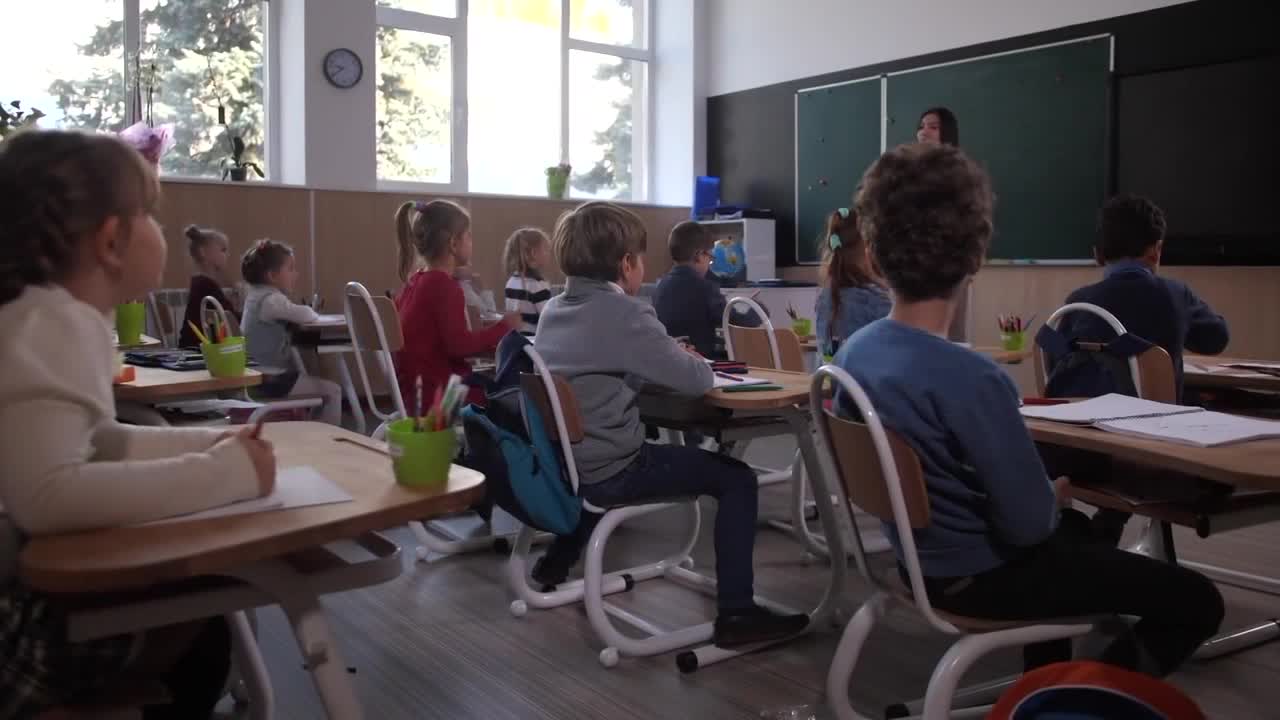


Nationally, about 6,000 of the 3.5 million public school teachers face adverse actions against their licenses every year, according to the National Association of State Directors of Teacher Education and Certification (NASDTEC).
Those actions can range from breaking school policy and not paying child support to making an inappropriate comment.
Bella Hoffman was 16 years old when she said her teacher began grooming her.
By the time she turned 17, the abuse had become sexual. Her former teacher, Andrew Snead is now serving an 8-year sentence for sex crimes against students in Powhatan.
Watch previous coverage: WTKR investigates bad teachers who lose their licenses
"He started manipulating me when I was 16," Hoffman said.
Hoffman says looking back, it was a nightmare.
"Almost immediately after I turned 17 is when he came after me sexually," Hoffman said.
Her case is among a rare but troubling category: teachers who lose their licenses due to bad behavior.
A former Newport News assistant principal was convicted of sex crimes against a former student after grooming her for years while he was the band director at Western Branch in Chesapeake.
A teacher at Princess Anne Middle School was fired for being drunk in the classroom with multiple containers of wine.
Jordan Palomares, a teacher at Deep Creek Middle School, was convicted of 24 counts of child pornography.
Watch related: True Crime 757 looks into retired Virginia Beach teacher Joseph Molineaux's history
A Newport News high school special education teacher received 2 years in prison for importing MDMA — a drug known as ecstasy or Molly — into the U.S. from Germany and Spain. Records indicate inside the package were 470 pills labeled "kids candy".
Our investigative team also uncovered cases that did not result in criminal charges but still led to license revocations.
A teacher in York County lost their license for pulling a student's hair, though the charges were dismissed in court.
A teacher in Hampton had her license revoked after leaving a hot pot of coffee within reach of students in a special needs classroom; one student suffered serious burns and required multiple surgeries, according to state records.
Jimmy Adams, executive director of NASDTEC, said the organization runs a clearinghouse that districts across the country use to check whether a teacher has had issues at other schools.
Watch related: How local schools are keeping predators out of the classroom
"Unfortunately, when there are some people who do things that are inappropriate or they violate their professional code of ethics, they tend to overshadow the good work that's really taking place," Adams said.
Adams said some teacher behavior may not rise to the level of a criminal charge but is still deemed inappropriate under school policies. He said access to the clearinghouse helps districts make better hiring decisions.
"It really helps that school district make an informed decision about the people they are hiring, and it also helps them to communicate to their community that they are doing things above and beyond doing their due diligence to try to make sure they're hiring the right people," Adams said.
For Hoffman, knowing those guardrails exist offers some comfort. She has advice for students and parents.
"You have to watch out for everybody, and it's not that you can't trust anyone, but you just have to be careful of who you do trust and put your trust into," Hoffman said.
