



PORTSMOUTH — While bees may not have enjoyed the stormy weather brought by this week's nor'easter, local beekeepers say there are plenty of ways residents can help pollinators thrive, even without keeping a hive in their backyard.
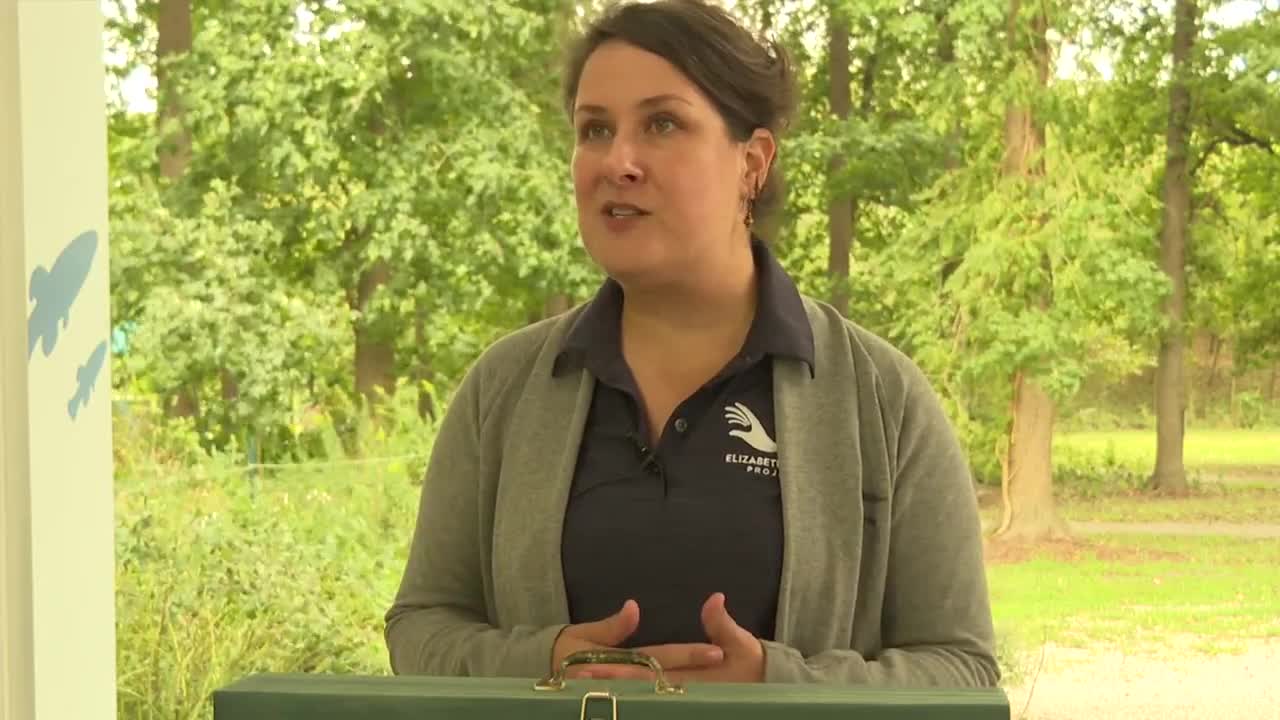
At Paradise Creek Nature Park in Portsmouth, local beekeeper Lacy Shirey said weather changes can have an immediate impact on honeybee behavior.
"We're experiencing a nor'easter here this week, and when I went in the hive I could tell they were agitated," Shirey said.
Shirey and fellow beekeeper Bill Gregory have seen much more challenging situations, including capturing bee swarms. Despite the work involved, Gregory said beekeeping is a rewarding hobby.
"Beekeeping is a wonderful hobby. I would encourage anyone to explore it," Gregory said.
While maintaining a hive isn't practical for everyone, local experts say supporting pollinators can be as simple as creating a welcoming habitat in your yard.
Many people are surprised to learn that honeybees are not native to North America.
The first honeybees brought to America arrived in Jamestown in 1622. Native pollinators, including bumblebees and other bee species, play a critical role in local ecosystems and agriculture.
Unlike honeybees, many native bees are solitary and rely on natural shelter to survive storms and changing weather conditions. Shirey said homeowners can help by preserving habitat features that provide food and protection.
"Having plants and diversity of plants around, old trees that might have holes in them, and even dead trees that provide cavities for them," Shirey said.
For those with the space and interest, beekeeping can provide another way to support pollination while learning more about the insects that help sustain food production.
"That joy of being able to sustain something and contribute, and then with my native bee houses seeing them interact in that way. And learning something new every day is exciting," Shirey said.
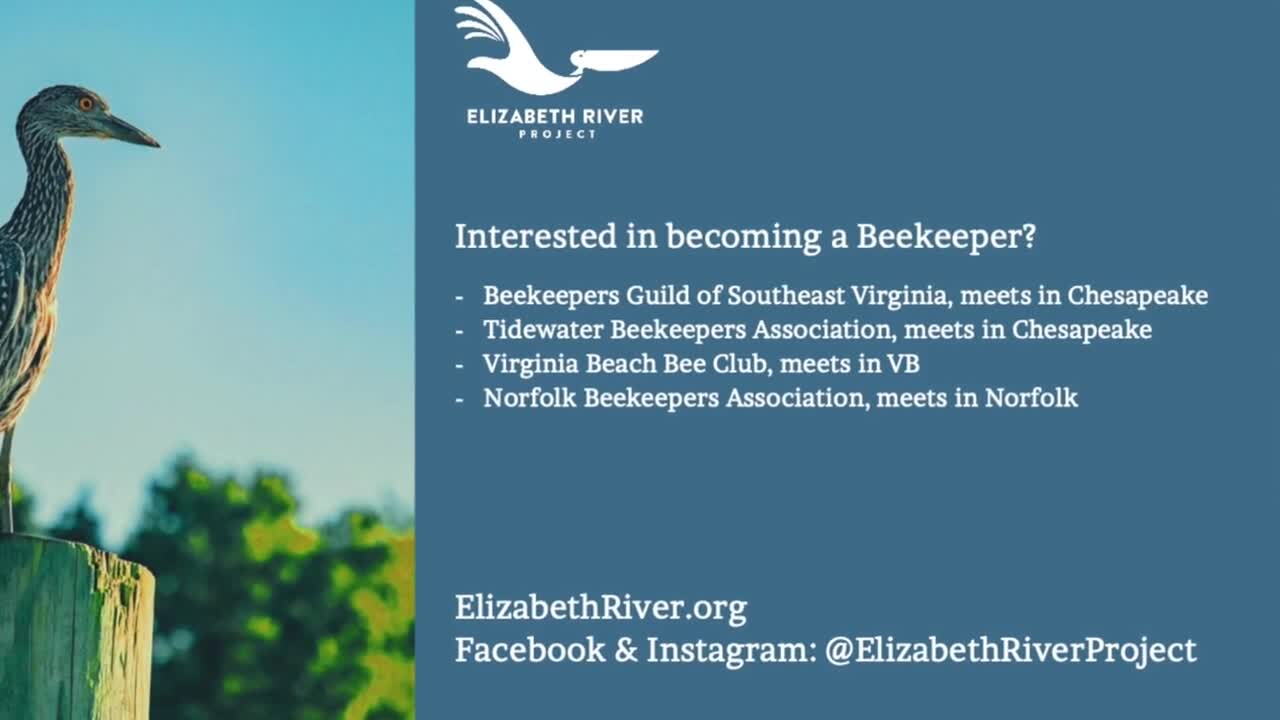
Residents interested in starting their own hives are encouraged to connect with local beekeeping organizations for education, mentorship and resources.
Gregory said even people who never keep bees can still make a difference.
"Lacy introduced several of them that are not honeybees that are incredibly important to the food that we eat," Gregory said. "Go out there and learn some stuff. Then try to help them."
Experts say planting a variety of flowering plants, preserving natural habitats and reducing pesticide use are all effective ways to support pollinator populations throughout Hampton Roads.
Click here to see how we use AI at WTKR News 3.
