



NORFOLK, Va. —
The federal government has been shut down for 40 days, but it could be over soon.
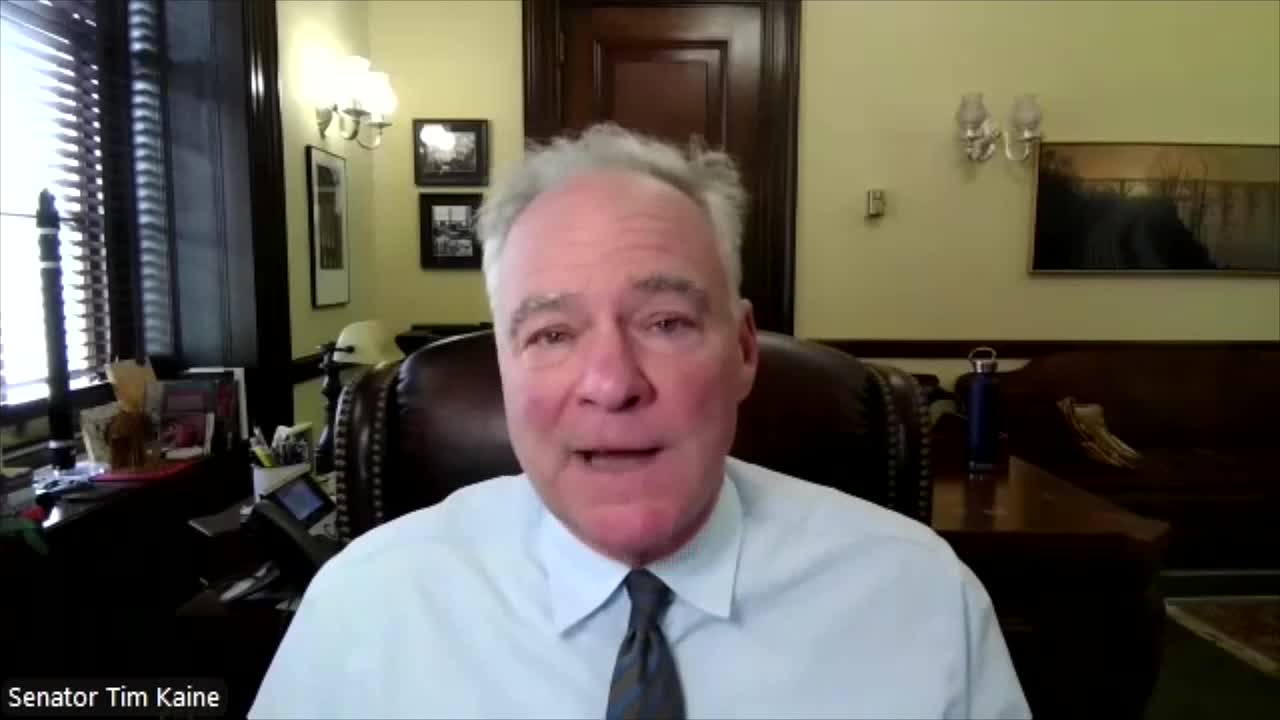
And the United States Senate is taking steps to end the government shutdown, with Democrats like Sen. Tim Kaine voting in favor of a deal to reopen the government.
Kaine said, “I made plain that I needed the restoration of people to their jobs and back pay, but I needed a no-RIF guarantee going forward, and that was the last piece that came together in the entire puzzle.”
Watch related coverage: House to return for the first time since September to vote on ending shutdown
Kaine says there were three things he needed to see out of the White House before he could vote yes. Furloughed employees would return to work and receive back pay, that all RIF’d employees would be reinstated, and that there’d be no layoffs moving forward.
Kaine said, “They really were reluctant to give me the pledge on no RIFs going forward. I got that at 4:45 yesterday afternoon, and that enabled me to say that I was going to vote yes on this bill.”
But not every Democrat agreed. Fellow Virginia Sen. Mark Warner voted no and explained why in a video statement.
“I couldn’t vote for something that didn’t address the health care crisis that is imminent. Virginians are already seeing their rates double and triple who buy through the marketplace,” Warner said in the video.
Watch related coverage: Va. Reps. Kiggans, Wittman Scott discuss shutdown during forum in Norfolk
So why did two Democrats from the same state and often on the same side end up on opposite ends of this vote? We asked associate professor Jesse Richman at Old Dominion University.
Richman said, “The argument is we should’ve kept this going. We had some momentum coming out of strong standings in the elections last week, and so we should’ve held out longer and maybe we could’ve gotten more.”
If the Senate signs off, the bill heads to the House. A deal would fund the government through Jan. 30.
