

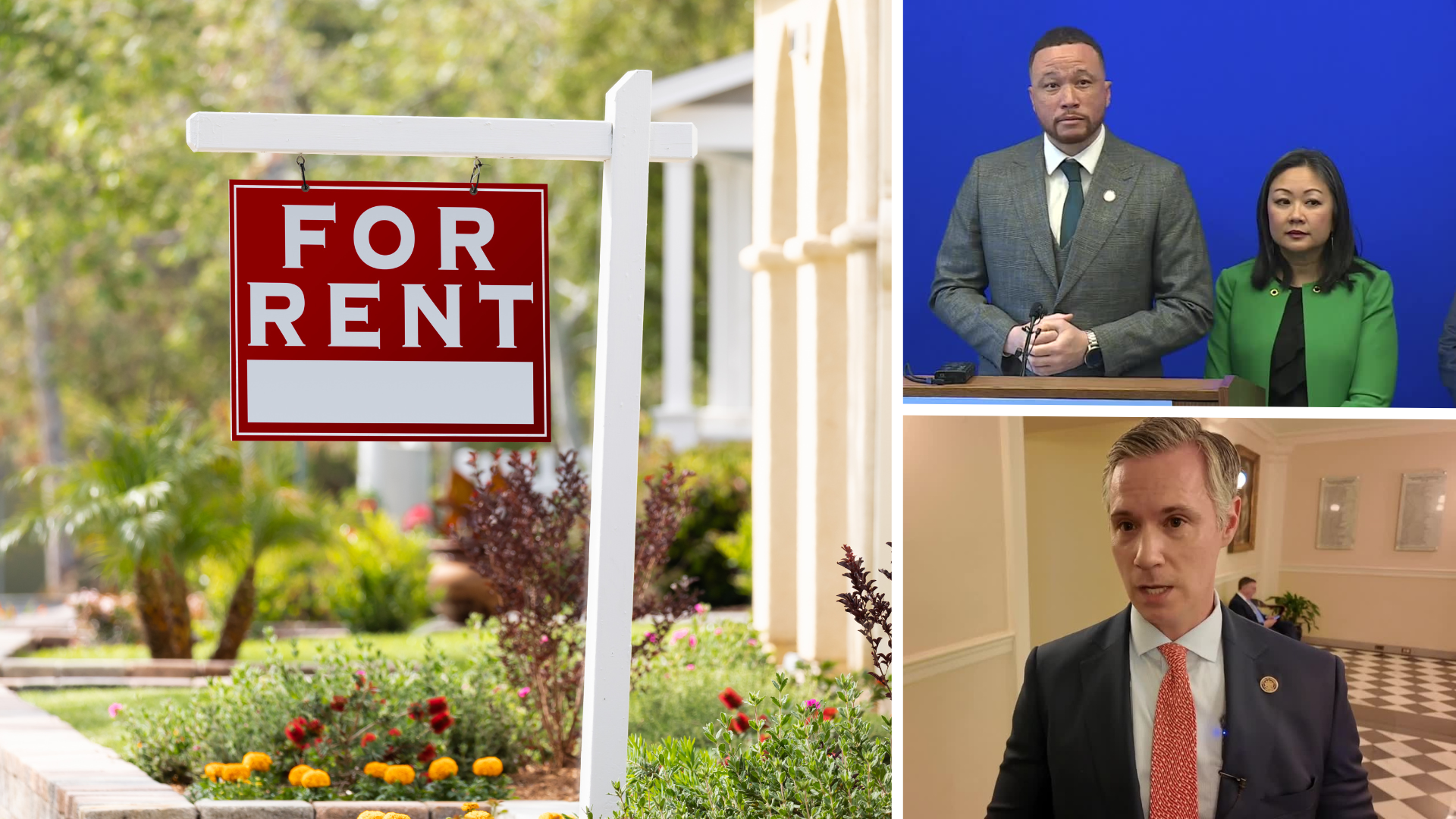


RICHMOND, Va. — Virginia Democrats in the House of Delegates say they've passed several bills aimed at making housing more affordable for residents, but Republicans argue the approach will ultimately drive up costs for renters.
The legislation includes significant changes to the Virginia Residential Landlord and Tenant Act, with provisions limiting attorneys' fees in certain eviction cases, requiring landlords to accept all lawful forms of payment, and extending the time tenants must be given before eviction following fires or other circumstances.
"It's a common sense, humane solution that helps families stay housed during an already traumatic moment," Del. Adele McClure (D-Arlington) said. "Even though I drafted this bill in collaboration with landlords and tenant advocates, this bill was vetoed by last year's governor."
Additional bills expand eligibility for the state's eviction diversion program and allow servicemembers to break leases early when deployed or sent for training.
"I know firsthand how disruptive these moments are and how stressful it can be to worry about occupying a place where you're not going to be living at while you're potentially going downrange for three to six and nine months," Del. Michael Feggans (D-Virginia Beach) said.
However, State Senator Glen Sturtevant (R-Chesterfield) argues the Democratic bills create unnecessary red tape for landlords and believes the focus should be on addressing housing supply issues.
"All of those increased costs are just going to end up getting passed on to the renters and drive up the rental price," Sturtevant said.
Sturtevant had proposed legislation that failed at the committee level which would have prevented private equity firms from owning more than five homes in a single jurisdiction.
"It makes it impossible for somebody who's on a budget to be able to negotiate and win a bidding war when you've got a Wall Street hedge fund on the other side," he said.
The Republican senator also expressed concerns about bills allowing religious groups and nonprofits to build affordable housing on their lands by-right, avoiding lengthy regulatory processes, which he says could limit local control.
"We want to make sure that there's smart growth and not over development, and that we're not essentially turning the keys over to the developers," he said.
Democrats point to other legislation requiring localities to develop plans for growing their housing stock by more than 7% over five years as part of their comprehensive approach.
"I know there's a lot of hopes for improved investments in the Housing Trust Fund as well as we work through the budget process," Del. Kathy Tran (D-Fairfax) said.
Most of these bills have already passed the House of Delegates and are now heading to the Senate for consideration.
This story was initially reported by a journalist and has been converted to this platform with the assistance of AI. Our editorial team verifies all reporting on all platforms for fairness and accuracy. To learn more about how we use AI in our newsroom, click here.
