



A Virginia law designed to help domestic violence survivors escape dangerous living situations remains unknown to some who who need it most, according to advocates and legal experts.
The statute allows survivors of abuse to terminate rental agreements if they have a protective order against an abuser they live with, or if the person has been convicted or charged with abuse toward them.
"When I talk to every survivor and tell them about the statute, they had no idea that it existed," said Neisha Himes, a domestic violence specialist and founder of the nonprofit G.R.O.W.
Watch related coverage: Hampton landlord who racially harassed tenants gets 17-year prison sentence
One survivor, whose identity is being protected for safety reasons, recently used the law to escape a dangerous situation.
"I went and got an emergency protective order," she said.
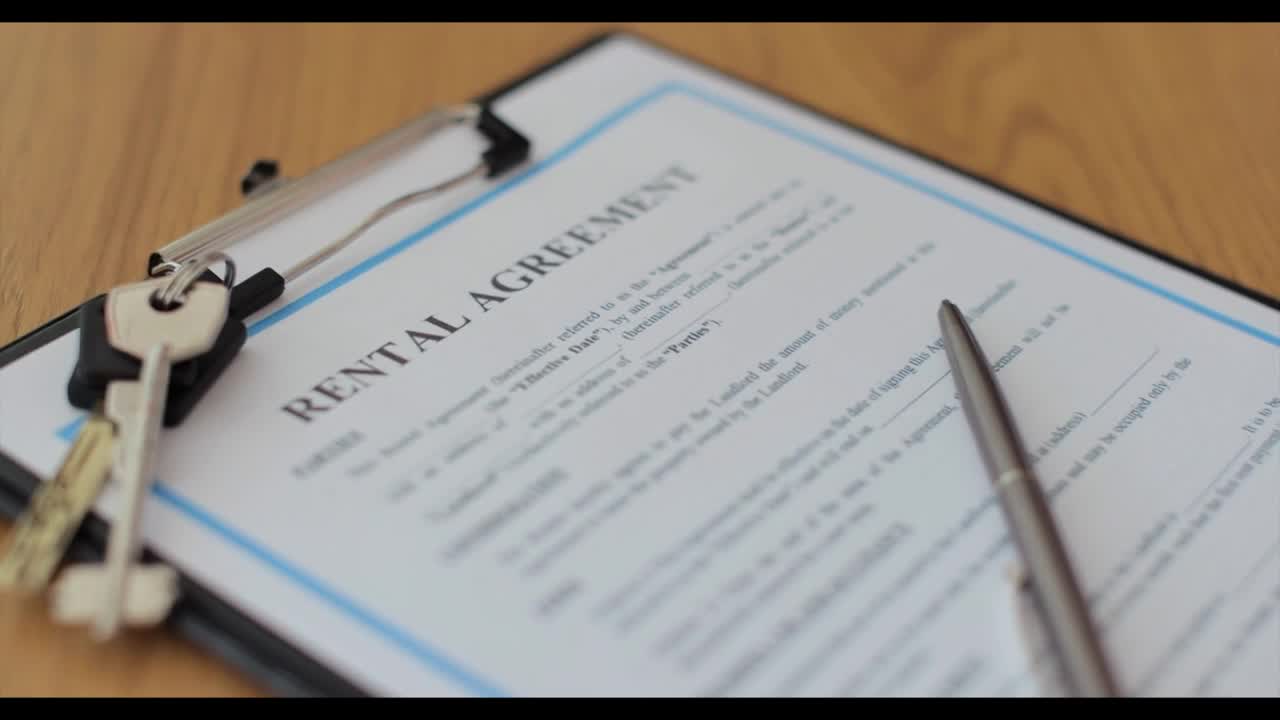
With seven months remaining on a lease she shared with her ex-partner, she obtained an emergency protective order after a domestic violence incident and approached her landlord with a desire to leave.
"That was the hardest situation of my life," she said.
The landlord encouraged her to remain in the townhome to see what would happen or offered to move her to another nearby unit, but she didn't see those as viable solutions.
The survivor said the landlord made her feel guilty about trying to leave.
She said the landlord told her she was, "irresponsible, kind of disrespectful to be leaving a landlord with that much rent still left," and told her she would have to forfeit her security deposit.
Watch related: Can a landlord force you to use their internet provider?
"I said, that is totally fine," she said.
However, Virginia law 55.1-1236 provides specific protection for tenants who are victims of domestic violence, sexual assault, stalking, or human trafficking, by allowing them to break their lease early under certain circumstances.
Under the statute, tenants must provide documentation to the landlord, and the lease terminates 28 days after that documentation is provided.
"This part of the law is probably not well known," said Kedron Springer of Springer and Cross Law Group.
Himes, who has helped hundreds of domestic violence survivors, believes the lack of awareness is part of the issue.
Watch related: Domestic violence survivor works for nonprofit that guided her to safety
"Part of the problem is that we have landlords, real estate professionals, housing specialists who don't know or they do know and to be frank hope that the survivor doesn't," Himes said.
Springer emphasized the importance of education for these rights.
"I think that it's really important for landlords and tenants to know what their rights are," Springer said.
The survivor who shared her story wants others to know about their legal protections.
"I'm very grateful that the statute exists. It really did save me. I think I was in a very bad situation. I'm just grateful that I was able to get out," she said.
The law provides a crucial pathway for survivors to escape dangerous living situations and stay safe.
This story was reported on-air by a journalist and has been converted to this platform with the assistance of AI. Our editorial team verifies all reporting on all platforms for fairness and accuracy.
