

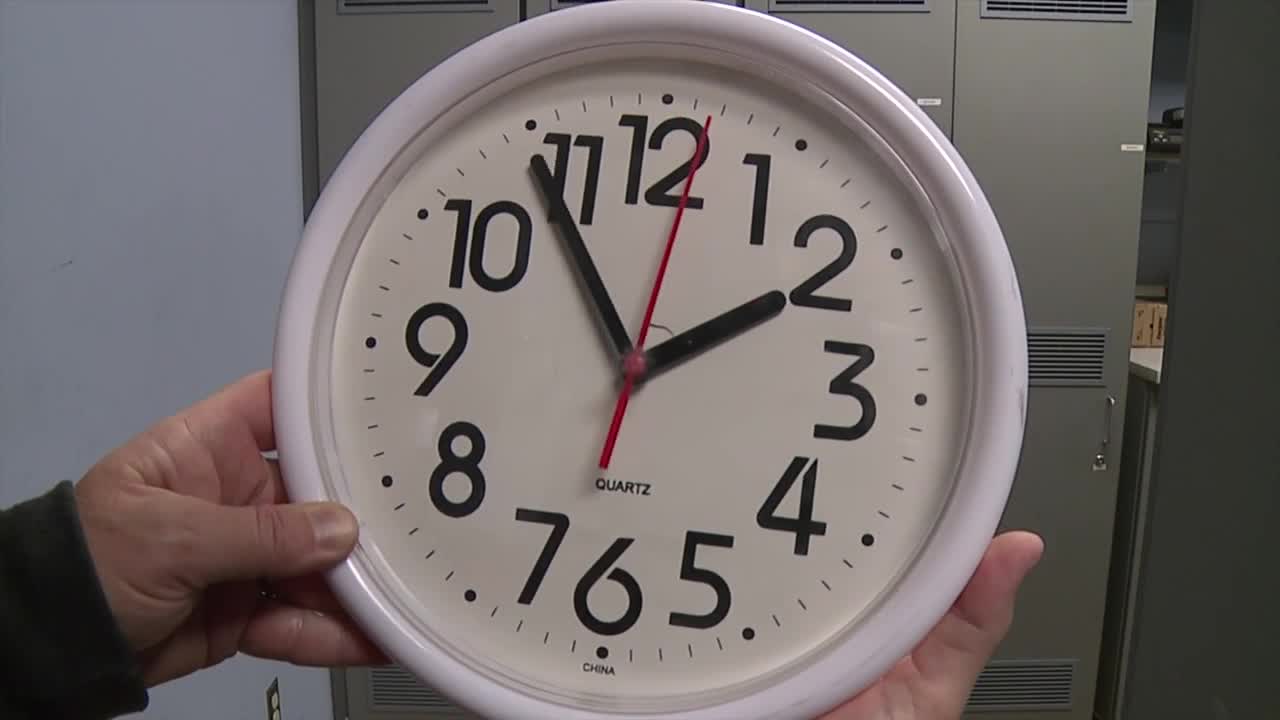


NORFOLK, Va. — Clocks fall back one hour on Nov. 1, as daylight saving time comes to an end. And while the time change means an extra hour of sleep, AAA is warning drivers that the adjustment period comes with real risks on the road.
The shift brings darker mornings and earlier sunsets, which AAA Tidewater Virginia says can affect driver alertness — even with the added rest.
"So even though we are gaining an extra hour of sleep, we still need to be mindful for that first three or four days when we're out on the road, particularly because of the shift in the daylight hours," said Holly Collins Dalby of AAA Tidewater Virginia.
AAA is urging commuters to take the following precautions during the adjustment period:
- Travel at times of the day when you are normally awake.
- Avoid medications that cause drowsiness or other impairment.
- Pedestrians and bicyclists should make themselves as visible as possible by wearing bright colors, reflective clothing and carrying a light.
- Pedestrians should cross at intersections or corners.
Drowsy driving remains one of AAA's top concerns in the days following the time change.
"I just want to remind drivers, don't rely on your body to provide warning signs of drowsiness. It's so easy to drift off and be completely unaware," Collins Dalby said. "So instead, it's just important that we prioritize getting enough rest and being sure that we are alert when we're out there."
This story was reported on-air by a journalist and has been converted to this platform with the assistance of AI. Our editorial team verifies all reporting on all platforms for fairness and accuracy.
Click here to see how we use AI at WTKR News 3.
