

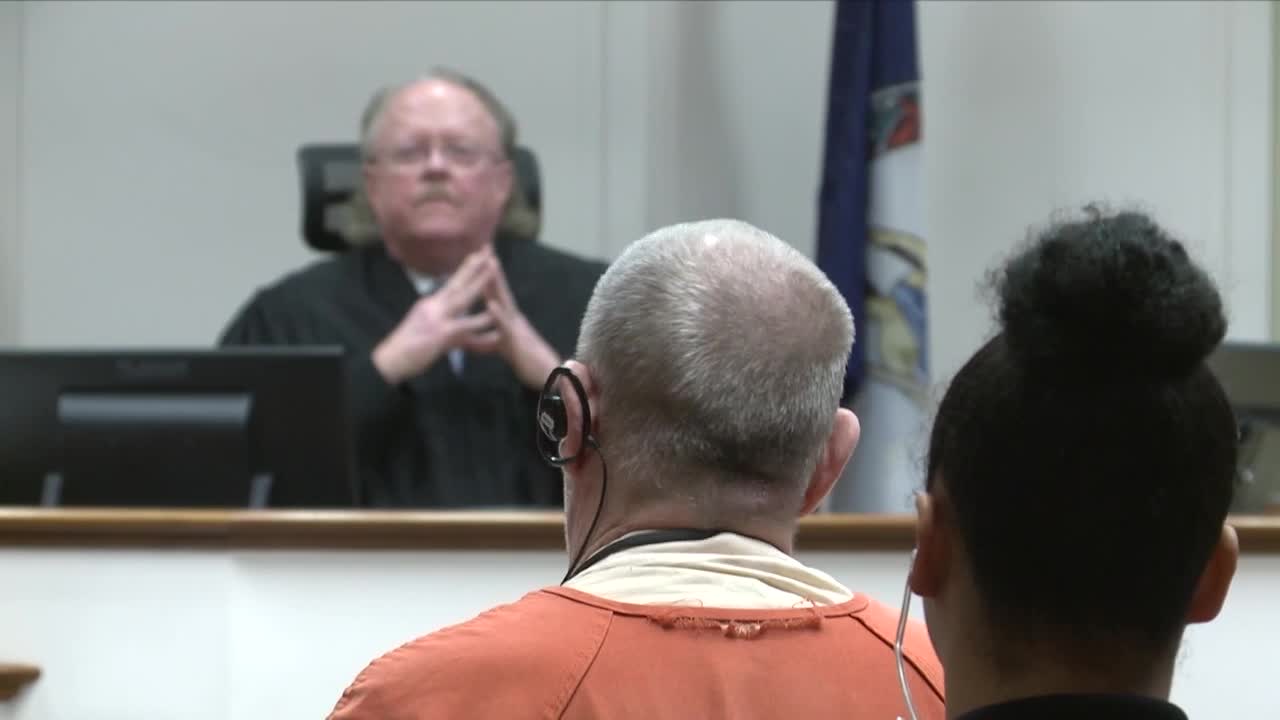


A proposed Virginia law would prevent inmates convicted of serious violent crimes from being eligible for geriatric conditional release, sparking debate at the state Capitol.
Senate Bill 209, known as "Lexie's Law," was introduced by State Senator Bill DeSteph and would expand the list of crimes that disqualify offenders from geriatric conditional release consideration.
In the House of Delegates, HB 1326 was filed recently by Delegate Anne Ferrell Tata from Virginia Beach.
The bill is named after Lexie Walters, who was murdered in 2020 by James King.
Watch related: James King served 20 years for a brutal murder. Then he killed again.
King had another previous murder conviction from Ohio in the 1980’s after murdering another woman in a similar way to how he killed Lexie.
King got out, moved to Virginia Beach and attacked another woman. He served a year in jail got out then violently murdered and sexually assaulted Lexie.
"Later we learned King had sexually tortured and brutally beat my sister until she had no life left in her body," said Marie Jones, Walters' sister.
Jones testified before the Committee on Rehabilitation and Social Services in Richmond Friday, while someone held a picture of her sister while explaining why she supports the bill.
Watch previous coverage: Victim's family aims to keep daughter's murderer, eligible for geriatric compassion law, behind bars
After King was sentenced for Walters' murder last February, Jones received a letter from the Virginia Parole Board a few month later stating that King was eligible for geriatric conditional release due to his age.
Under current Virginia law, inmates must be at least 65 years old with five years served, or 60 with 10 years served, to be considered annually for geriatric conditional release. They also have the option to defer for three years.
The Parole Board ultimately denied King’s parole and deferred consideration for his next hearing for three years.
Senator DeSteph said it is awful that King victimized three women and then gets a hearing about the possibility of parole.
"There shouldn't have been a third time. There shouldn't have been a second time(referring to the amount times King attacked women)," DeSteph said. "This is insanity and then we're going to look at him for parole? Geriatric parole? Come on, that's crazy."
The proposed law would prevent inmates convicted of rape, sexual torture, child sexual crimes, homicide, murder and other violent crimes from being eligible for geriatric conditional release.
"Any of these heinous crimes, rape, sexual torture, child sexual crimes, homicide, murder, none of those things, you should never be eligible for geriatric parole, period," DeSteph said.
Watch previous coverage: Some want change to VA law to prevent violent criminals from getting parole hearings
Ashley Waite, a rape survivor, also testified about learning that her attacker was eligible for conditional release despite the rapist being sentenced to several life sentences for various crimes.
James Williams is being held in prison and on the sex offender registry for also attacking a minor.
"That knowledge shocked my world. The email from victim services just showed up in my inbox without warning," Waite said. "Can you image a decade of therapy and PTSD and anxiety and a life where I am now married raising kids and now, I must relive the trauma to keep this man in prison."
Opponents of the proposed changes argue that parole decisions should remain with the Virginia Parole Board.
"I believe that people should have the opportunity to plead their case, regardless of what they may have done, and the parole board certainly has the discretion to say that's not good enough, and we don't believe you should go home," said Shawn Weneta, legislative liaison for the Humanization Project.
Supporters say they believe in parole and second chances for certain people, but not those convicted of heinous crimes.
"For us and it's cruel and torturous punishment," Jones said. "Geriatric patrol allows criminals to revictimize victims and families behind bars over and over again."
WTKR will continue to monitor what happens with the two bills.
