



VIRGINIA BEACH, Va. — As a Virginia Beach mother mourns the death of her 11-year-old son and pursues a $150 million lawsuit against a regional special education program, another local parent is speaking out about what it means to understand people with autism.
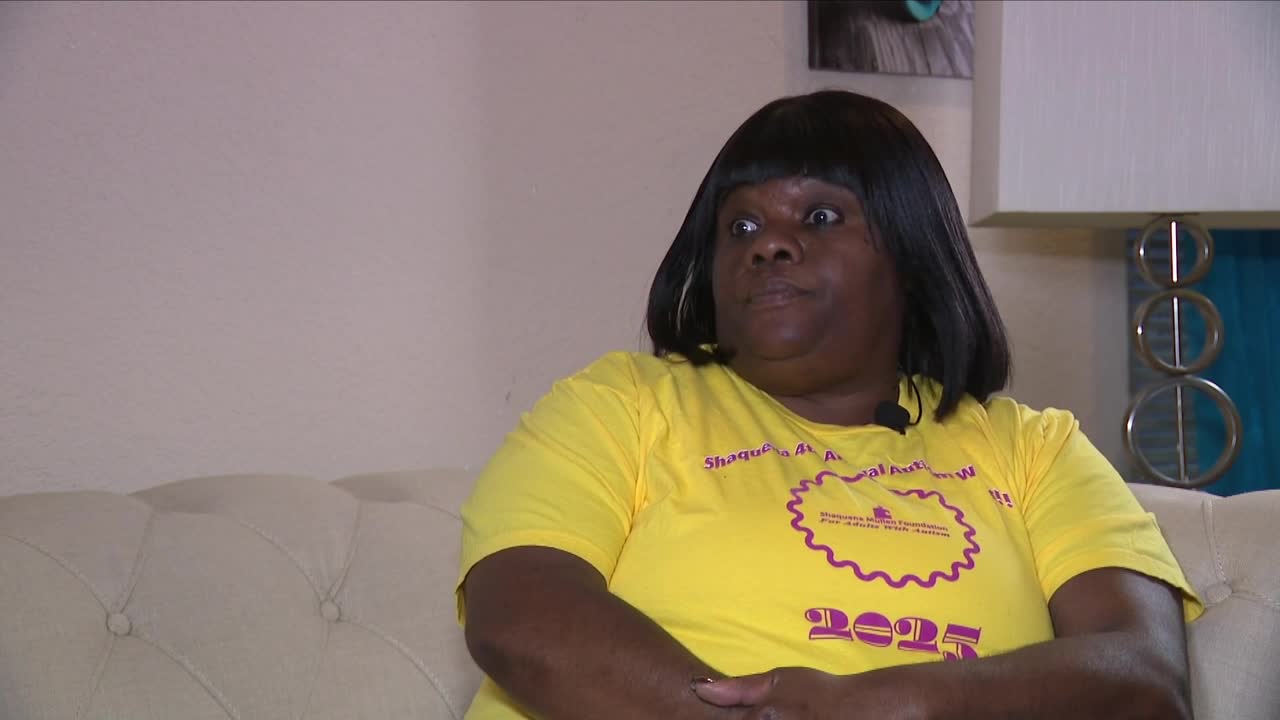
Cheryl Wilson, a Portsmouth mother, has spent more than three decades caring for her daughter, Shaquina Mullen, who is autistic, nonverbal, and experiences behavioral challenges and sensory overload.
“It’s a lot, a lot to deal with,” Wilson said. “She’s very, very busy. She’s like a toddler during the daytime and a newborn at night.”
Mullen is now 34 years old. Wilson said her faith helps her through the daily challenges of caregiving, and she credits educators who supported her daughter while she was growing up.
“She went to the SECEP program at S.H. Clark until she was 21 years old,” Wilson said.
SECEP, known as the Southeastern Cooperative Education Program, is the same organization at the center of a lawsuit filed this week by Julie Xirau, the mother of 11-year-old Joshua Sikes.
Sikes was enrolled in a SECEP classroom at Pembroke Elementary School in Virginia Beach.
According to the lawsuit, Xirau alleges that SECEP employees restrained her son in what is described as a “makeshift prison” inside the special education classroom in 2024.
The complaint claims Sikes spent hours inside the space, repeatedly striking his head on an unpadded floor.
A few days later, the lawsuit states, Xirau took her son to the hospital after he appeared lethargic and withdrawn. The lawsuit alleges Sikes later died in his sleep from head trauma sustained in the classroom.
When Wilson learned of the allegations, she said the story was deeply upsetting.
“First of all, it’s just heartbreaking,” Wilson said. “It just brings me back to when Shaquina was younger. Who can you trust, especially when they’re nonverbal? The people you think are going to take good care of them — sometimes it doesn’t turn out that way.”
Wilson believes discipline for children with intellectual disabilities should focus on redirection rather than restraint.
“You can redirect them,” she said. “With Shaquina, I just let her go on and do what she’s going to do because it doesn’t last long. Maybe two seconds, then she’s right back laughing. Restraining, that’s uncalled for.”
Wilson hopes the lawsuit leads to improved behavioral training for anyone who works with children or adults with intellectual disabilities.
“Where does that leave a parent like me?” she said. “You send your child to school trusting they’re going to be OK, and then your baby doesn’t make it back home. That’s a big problem. There needs to be change.”
She said meaningful progress begins with better training, patience, and treating everyone with dignity, especially those who cannot speak for themselves.
