

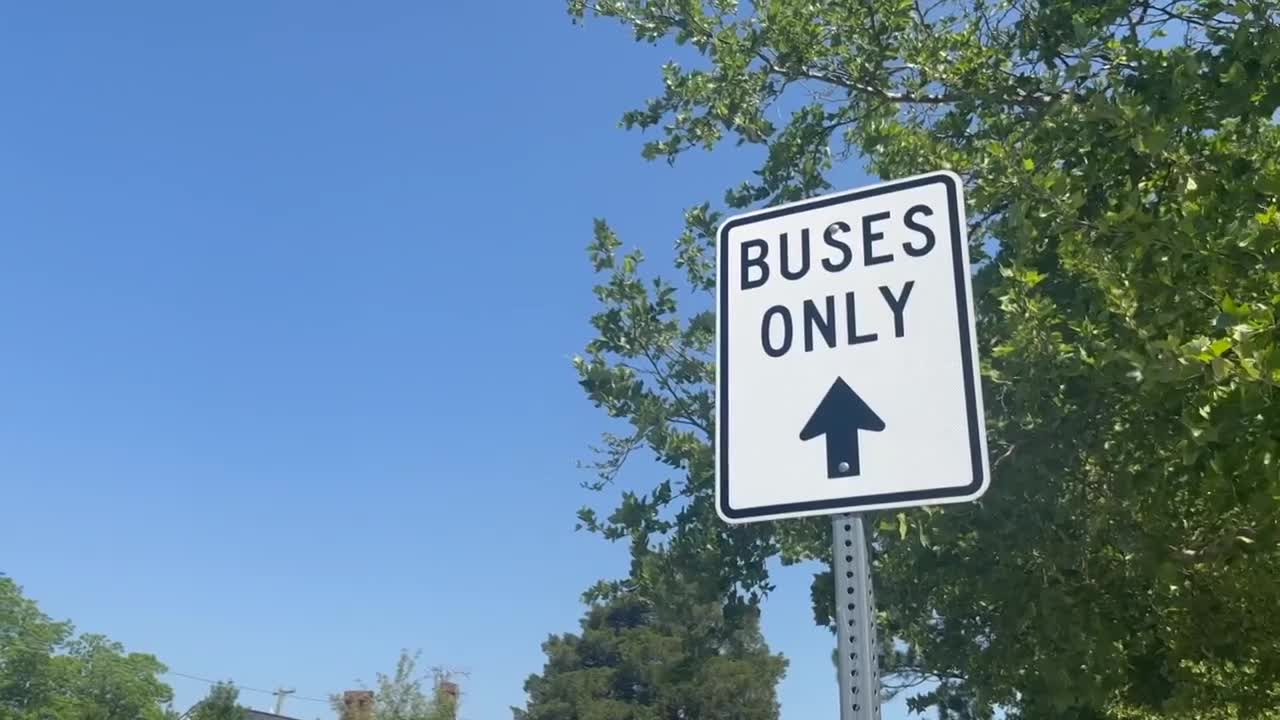


SUFFOLK, Va. — Suffolk Transit is expanding its reach with two new bus routes aimed at connecting more residents across the region, part of a broader effort to grow ridership in one of Virginia’s largest rural communities.
The new routes now connect riders to and from Windsor and Portsmouth, giving residents additional transportation options for work, appointments and daily travel.
For Suffolk Transit Manager Maria Ptakowski, improving access is one of the biggest steps toward increasing ridership.
“This now provided those extra connections to places that people couldn’t get before,” Ptakowski said. “In Windsor, we’ve already seen people utilize it to get to work, being able to not have to use Uber and save the cost associated with that.”
Residents waiting at a Suffolk bus stop this week said the expanded routes could significantly cut down travel times and improve mobility throughout the region.
“You have to catch the bus to Chesapeake, then you have to go to Norfolk,” one resident said. “It could take you all day to get to Portsmouth. Now I think it’s good.”
Another rider said the service could especially benefit those traveling toward Windsor, Smithfield and Isle of Wight County.
According to Suffolk Transit, ridership increased by 15% during the 2025 fiscal year, growth that happened before the latest route expansion.
But Ptakowski says traditional fixed-route buses may not work for every part of Suffolk, particularly in more remote areas of the city. That’s why Suffolk Transit is now exploring the possibility of implementing microtransit services in the future.
“It does not take very long to get far enough away where you can be kind of stuck,” Ptakowski said. “So we have to find ways to meet that challenge of this large geographic area and find transportation that fits in that.”
Microtransit systems typically use smaller vehicles and on-demand scheduling to provide flexible transportation in areas where full bus routes may not be practical.
Ptakowski says Suffolk Transit is closely watching other agencies already using microtransit, including Hampton Roads Transit, to see how successful those programs have been.
“You have to sometimes think outside of the box,” she said. “Not everything is great with you just creating a bus route that’s going by directionally. Sometimes you have to find these other little things, and they’ve had a lot of success.”
Suffolk Transit plans to conduct a feasibility study on microtransit service during the 2027 fiscal year as officials continue looking for ways to improve transportation access across the city.
Click here to see how we use AI at WTKR News 3.
